Material and finish
Aluminum, stainless steel, steel, brass and engineering plastics can be reviewed. Specify the exact grade, condition and finish; availability is confirmed with the quote.
Compare machining materialsFAST, PRODUCTION-RELEVANT PARTS
CNC prototypes in metals and engineering plastics from MOQ 1, made in Dongguan, China. Send your model and test requirements for a project-specific quote.
Drawing-led review · MOQ 1 · confidential project handling
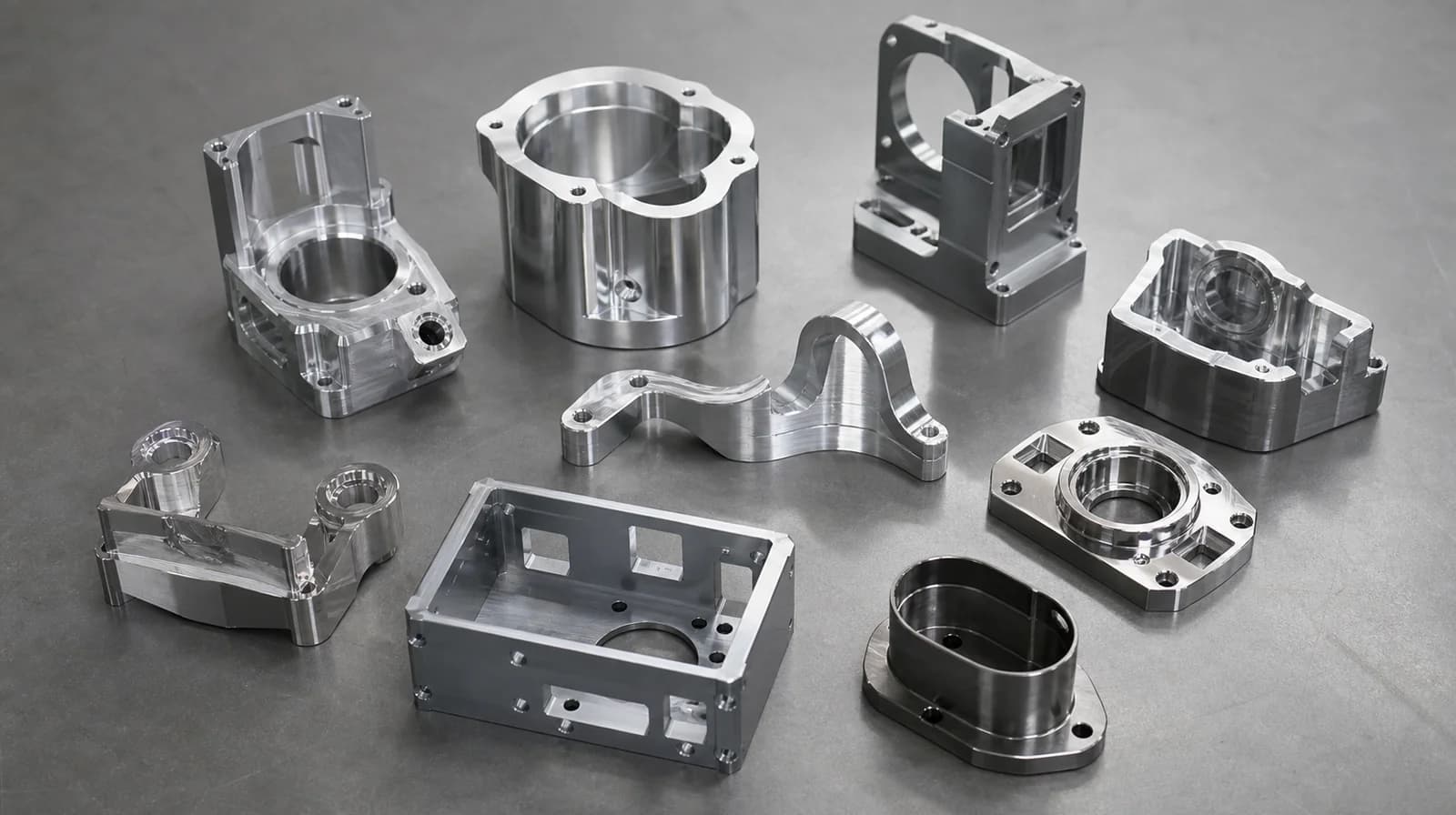
MANUFACTURED IN DONGGUAN, CHINA
Aluminum, stainless steel, steel, brass and engineering plastics can be reviewed. Specify the exact grade, condition and finish; availability is confirmed with the quote.
Compare machining materialsExplain the fit or functional test and the dimensions it depends on. Agree the inspection evidence needed to accept a prototype or release a repeat batch.
Review inspection capabilitiesSend a released STEP/STP model and PDF drawing if available, material, quantity, revision and destination. Flag missing details for review rather than guessing them.
Upload: STEP, STP, IGES, IGS, STL, DWG, DXF, PDF or ZIP · up to 5 files · 50 MB each · 150 MB total. Export X_T or native CAD to a supported format first.
Next: drawing and process review, then confirmation of price, inspection scope and timing. No date or tolerance is guaranteed before review.
VOGUC machines CNC prototypes in Dongguan, China. CNC prototypes help teams evaluate real material behavior, assembly fit and functional geometry before committing to a production batch. VOGUC accepts MOQ 1 projects, and qualifying samples can be completed in as fast as three days after drawing, material and process review.
PROCESS SELECTION
CNC prototyping is most useful when a team needs the intended material, machined geometry or production-relevant finish for fit, function or engineering validation before a repeat order.
PROTOTYPE-TO-PRODUCTION PATH
Do not treat a successful prototype as an automatic production release. Move forward only after the tested revision, intended material, critical requirements and inspection scope are controlled for the next quantity.
Tell us which stage you are in and what evidence the next decision requires.
Request a stage-appropriate reviewLEAD-TIME CONFIRMATION
A prototype date becomes credible only after the technical scope, material and process route, quality evidence and delivery milestone are defined. VOGUC separates manufacturing completion from carrier transit and confirms timing against the actual drawing rather than a generic website promise.
ConfirmMatching model and drawing revision, target test, critical features and required milestone.
Why it mattersClarifies when the manufacturing clock can start and prevents unresolved drawing questions from becoming hidden delay.
ConfirmExact grade and condition, stock assumption, approved alternatives, finish and any external process.
Why it mattersSeparates material or finishing availability from machine time and prevents an unauthorized substitution.
ConfirmInspection characteristics, sample quantity, report format, certificates and acceptance basis.
Why it mattersKeeps inspection inside the quoted schedule instead of removing evidence to create an artificial fast date.
ConfirmQuantity, packaging, destination, requested milestone and whether the date means factory completion, carrier handover or arrival.
Why it mattersSeparates manufacturing lead time from transit and customs assumptions so buyers compare like-for-like dates.
Send the target milestone and destination with the released drawing package.
DOCUMENTED VOGUC PARTS
These real VOGUC parts show material and geometry questions that inform this service review. The documented process is shown for each example; a new drawing receives its own process and inspection plan.
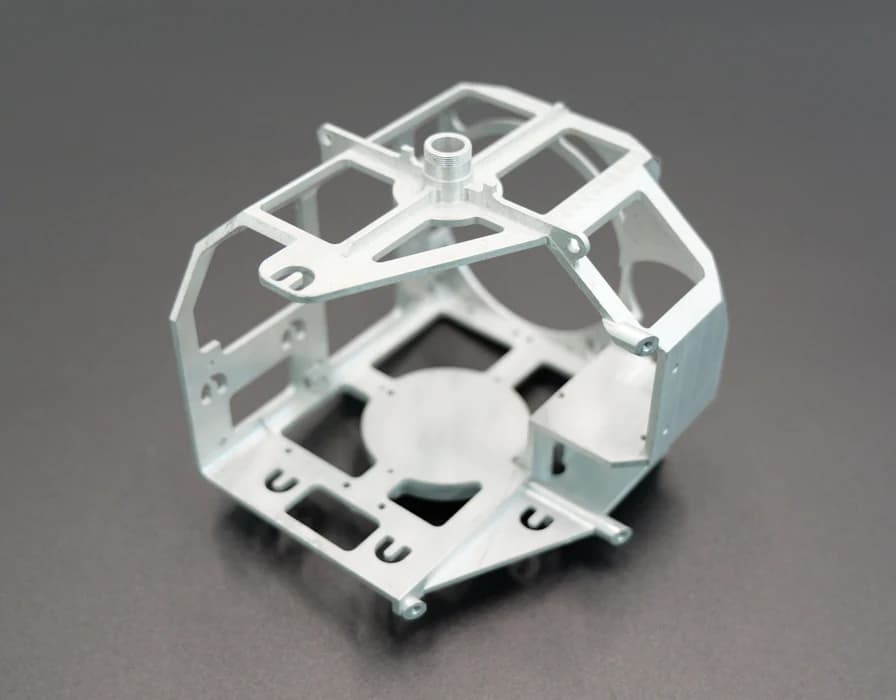
Manufacturing challengeCoaxial center bosses, multi-direction U-slots and deep-hole position control in a thin-wall frame.
Why it matters hereA functional development part may need production-relevant aluminum, assembly interfaces and drawing-based inspection.
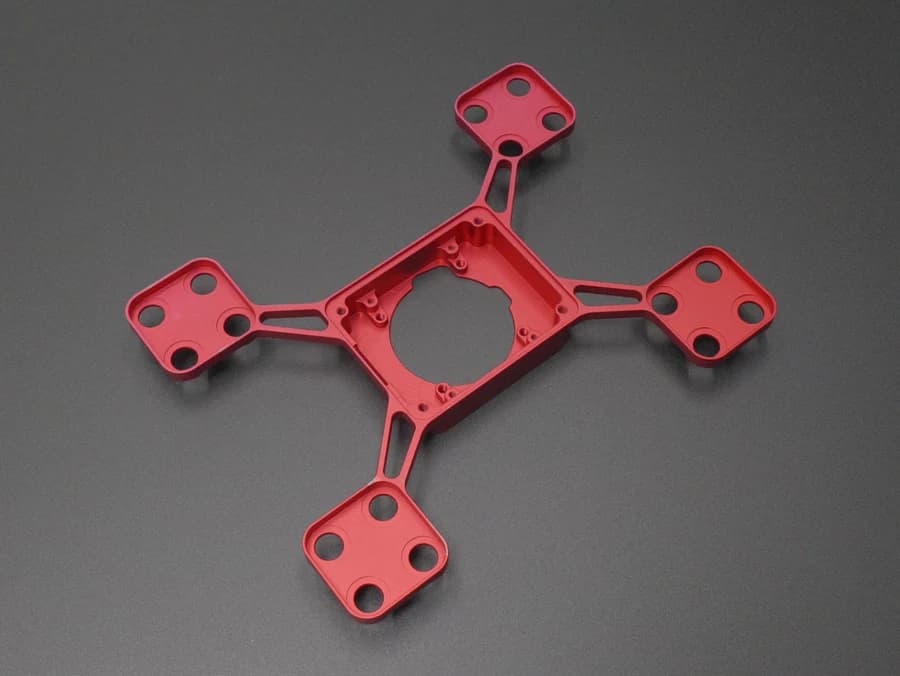
Manufacturing challengeControlling stress distortion and vibration across long, lightweight ribs and narrow pockets.
Why it matters hereA machined development frame can support fit, stiffness and finish review before repeat production planning.
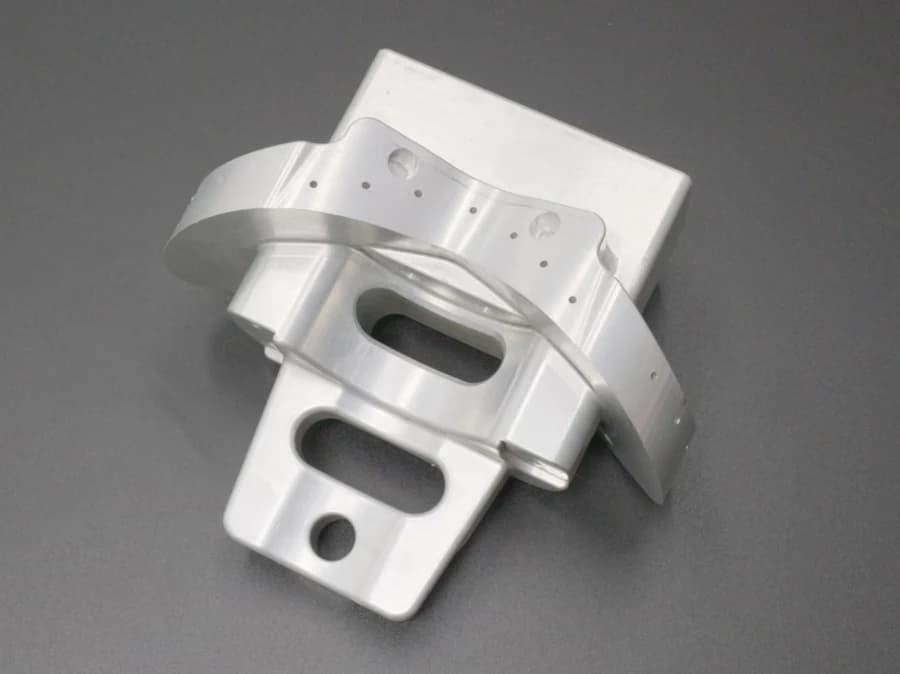
Manufacturing challengeMaintaining sealing-face flatness and parallelism while deburring intersecting deep oil passages.
Why it matters hereA functional fluid-control prototype needs its sealing and passage requirements defined before the machining route is confirmed.
Have a part with a similar material, geometry or functional risk?
Send the drawing for a project-specific reviewBUYER QUESTIONS
Direct answers for engineers and sourcing teams preparing a project review.
CNC rapid prototyping uses milling, turning or another reviewed CNC route to make one part or a small quantity directly from controlled 3D model and drawing data, often in the intended engineering material. It supports fit, assembly or functional testing before repeat production; rapid describes the project objective and does not guarantee a date until geometry, material, finish and inspection scope are reviewed.
Suitable samples can be completed in as fast as three days after engineering review. Actual timing is confirmed after reviewing geometry, material availability, quantity, finish and inspection requirements.
Not automatically. The quotation should state whether the date means manufacturing completion, carrier handover or arrival at the named destination. Carrier transit and customs assumptions should be separated unless they are explicitly included in the agreed delivery scope.
Yes. The minimum order quantity is one piece, making the service suitable for functional prototypes, fixtures, replacement components and early design validation.
CNC prototypes can be machined from the specified production-relevant metal or engineering plastic when it is available and suitable for the design. State the exact grade and condition in the RFQ.
Yes, but the approved drawing, revision, material, finish, tolerance and inspection scope should be controlled. Design changes and higher quantities may require a revised manufacturing and quotation review.
Control the released drawing and revision, exact material, batch quantity, critical dimensions, finish, inspection evidence, packaging and delivery basis. A successful prototype supports the decision, but it does not replace a production-scope review.
BUYER RESOURCES
Use these technical guides to define the manufacturing route, tolerance and inspection scope before comparing quotations.
Keep prototype tolerances aligned with the actual fit or functional test.
Read the guide Supplier quality checklistPlan first-off evidence, reports and revision control before moving into repeat production.
Read the guide CNC machining resourcesReview buyer guides for materials, RFQ preparation, process choice and inspection planning.
Read the guideSend your drawing files, 3D models, material, quantity and inspection requirements. We will review manufacturability before confirming the quotation.