
Function
Corrosion, wear, conductivity, insulation, cleanability, friction or another performance need.
FINISH PLANNING FOR CNC PARTS
Choose a finish by function, base material, dimensional effect, appearance and acceptance evidence. Define the process, masking and post-finish inspection in the RFQ so machining and finishing can be reviewed as one controlled route.
BEFORE YOU NAME A FINISH
A treatment name by itself does not define the delivered part. Start with the exact CNC machining material, then connect the finish to function, dimensions and acceptance.
Corrosion, wear, conductivity, insulation, cleanability, friction or another performance need.
Exact grade, temper or condition and whether the selected treatment is appropriate for that substrate.
Coating or material removal at bores, threads, fits, sealing faces, edges and reference datums.
Cosmetic zones, color range, gloss or texture, viewing conditions, rack marks and approved samples.
Machining allowance, deburring, heat treatment, blasting, masking, finishing and post-finish inspection.
Certificate, coating-thickness check, roughness result, dimensional report or visual approval scope.
COMMON COORDINATED OPTIONS
These are common project options, not a universal in-house process list. Exact availability, external processing, specifications, evidence and lead time are confirmed during quotation.
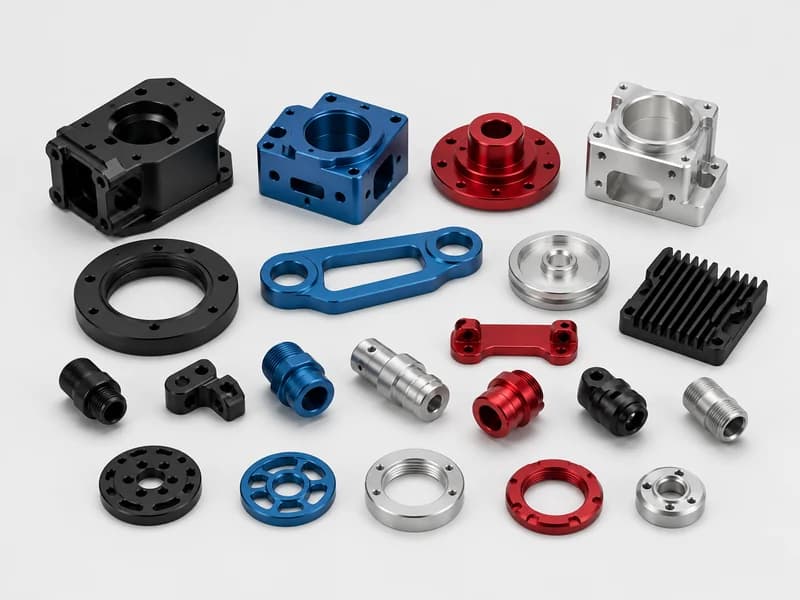
Often considered whenCommonly specified for aluminum when corrosion protection, wear behavior, electrical insulation or a controlled appearance matters.
Define for quotationBase alloy and temper, anodizing type or governing specification, color, target thickness if applicable, masking, contact points, cosmetic zones and post-finish dimensions.
Do not assumeAlloy, surface preparation, production lot, geometry and process conditions can affect color. “Black anodized” alone is not a complete acceptance standard.
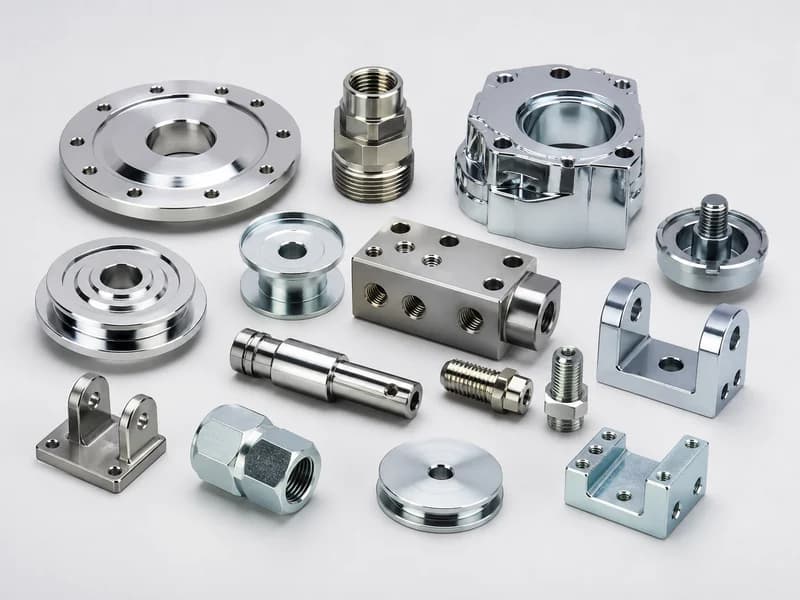
Often considered whenUsed for project-specific corrosion protection, wear performance, conductivity, solderability or decorative requirements.
Define for quotationBase material, coating system, governing specification, thickness range, underlayers, masking, rack or contact points, critical fits and required verification.
Do not assumeCoating thickness and edge behavior can affect threads, bores, fits and electrical contacts. Review the complete stack rather than naming only the top coating.
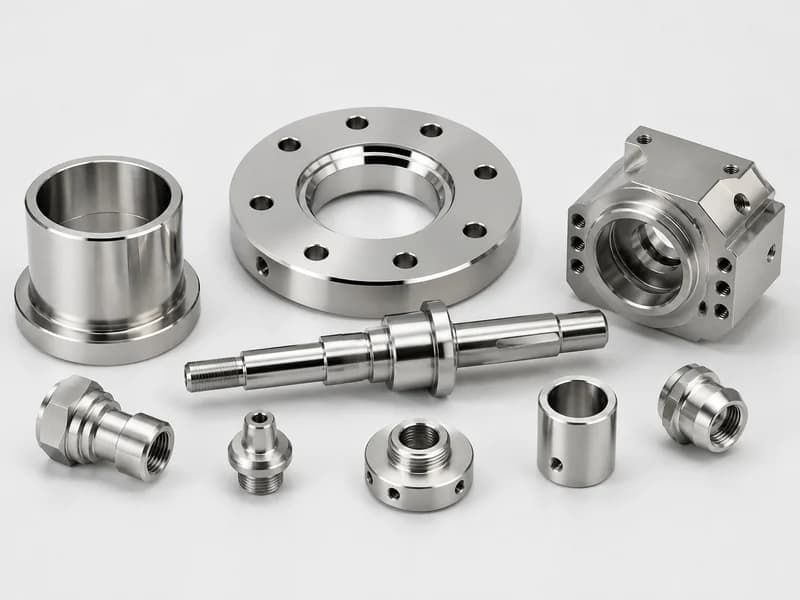
Often considered whenConsidered for functional smoothness, cleanability, appearance or preparation of selected stainless-steel and other compatible surfaces.
Define for quotationFunctional versus cosmetic purpose, target roughness where measurable, polishing direction, inaccessible regions, protected edges and an approved appearance reference.
Do not assumeA reflective surface is not automatically dimensionally acceptable or suitable for sealing. Identify the exact functional surfaces and inspection method.
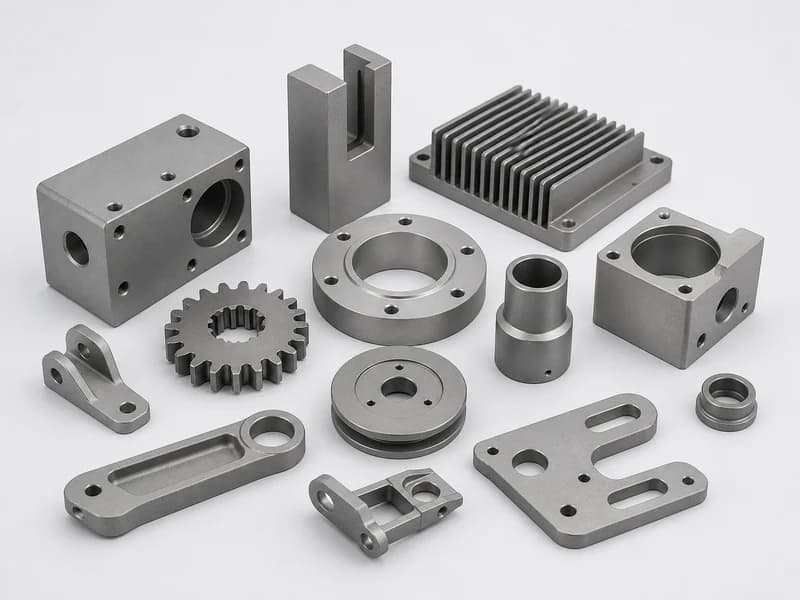
Often considered whenOften selected for a uniform matte texture, controlled visual direction or preparation before another compatible finish.
Define for quotationMedia or agreed process, texture reference, cosmetic zones, masking, protected features, handling marks and whether blasting precedes anodizing or coating.
Do not assumeMedia, pressure, distance, starting tool marks and part geometry influence texture. Use a sample or defined reference when appearance is critical.
ANSWER THE PROCESS QUESTION
Short answer: anodizing is normally an aluminum-surface conversion decision, while plating deposits a selected metallic coating system onto a compatible substrate. Neither is universally better. Choose from base material, corrosion, wear, electrical behavior, coating build, masking, appearance and the required acceptance evidence.
| Decision | Anodizing | Plating | Buyer check |
|---|---|---|---|
| How the layer is formed | An electrochemical process converts the surface of a compatible aluminum alloy into an oxide layer. | A selected metallic coating system is deposited onto a prepared substrate; underlayers may be part of the specified stack. | Do not treat the processes as interchangeable coating names. |
| Material starting point | Primarily an aluminum-alloy decision on this page; alloy and temper influence the result. | The coating system must be selected for the exact base material and function. | State the substrate, grade, condition and approved coating system. |
| Typical functional reason | Corrosion protection, wear behavior, electrical insulation or controlled appearance where the selected anodizing system is suitable. | Corrosion protection, wear, conductivity, solderability or decoration depending on the selected deposit and underlayers. | Specify the required property rather than choosing by appearance alone. |
| Dimensional planning | The oxide forms at and into the original surface; growth, masking and final fits require project-specific planning. | The deposited stack adds material; thickness distribution, edges, recesses, threads and contacts require review. | Identify dimensions that apply after finish and the surfaces to mask. |
| Appearance | Color can vary with alloy, temper, stock, preparation, geometry, lot and process conditions. | Brightness, color and uniformity depend on substrate preparation, underlayers, top deposit, geometry and process conditions. | Use a controlled sample or acceptance range when appearance is critical. |
| Acceptance evidence | Use the drawing-approved anodizing specification and agree thickness, sealing, appearance, corrosion or other relevant evidence. | Use the exact plating-system specification and agree thickness, adhesion, corrosion, embrittlement controls or other relevant evidence as applicable. | A generic certificate or the word “plated” does not define the delivered part. |
Standards are coating-system specific, not proof that two processes are equivalent. For example, ASTM B580 addresses anodic oxide coatings on aluminum, while ASTM B633 addresses electrodeposited zinc coatings on iron and steel. The Aluminum Anodizers Council specification bulletin provides additional anodized-finish context. Confirm the current drawing-approved standard, revision, class, tests and exceptions with the responsible engineering authority.
VOGUC currently documents an anodized 6061 part example but does not publish an equivalent plated-part case or claim that anodizing or plating is performed in-house. Until a project-specific plating route and its acceptance evidence are confirmed, this comparison supports RFQ preparation rather than a blanket process-capability promise.
START WITH THE SUBSTRATE
The same finish name can produce different functional, dimensional and visual results on different substrates. Confirm the exact material grade and condition before choosing a treatment.
These rows organize the engineering discussion; they are not a complete treatment catalogue or a claim that every listed process is performed in-house. VOGUC confirms material compatibility, processing route, specification, evidence and lead time during quotation.
SHORTLIST, THEN SPECIFY
This comparison narrows the RFQ discussion. It does not replace a released finish specification, approved sample or project-specific process review.
| Buyer requirement | Common starting route | What must be confirmed |
|---|---|---|
| Corrosion protection on aluminum | Anodizing or another drawing-approved treatment | Alloy, anodizing type, color, masking, thickness and dimensions after finish |
| Conductive or wear-related coating | Project-specific plating system | Base material, full coating stack, thickness, contact surfaces and verification |
| Controlled matte cosmetic texture | Sandblasting / bead blasting | Media, texture reference, protected features, handling and any subsequent finish |
| Smooth or reflective selected surfaces | Polishing | Functional purpose, measurable roughness where needed, direction, geometry and edge protection |
| Machined functional surface | As-machined or a controlled machining operation | Surface-roughness callout, exact surface, tool direction, measurement method and mating function |
If the requirement is a machined roughness value rather than a post-process, identify the exact surface and measurement method. Review the CNC machining tolerances guide.
BROWSER-ONLY PREPARATION TOOL
Record eight decision points before quotation. The tool runs in your browser and does not collect drawings, dimensions, colors or other project values.
This readiness score measures checklist coverage only. It does not recommend a finish or confirm material compatibility, manufacturing capability, supplier route, price, lead time, inspection conformity or acceptance.
ONE CONTROLLED ROUTE
Finish requirements can change the CNC machining route, allowance, sequencing, inspection timing, packaging and delivery. Add them before quotation rather than after machining is complete.
Match the 3D model, drawing revision, material, finish note, quantity and acceptance evidence.
Protect critical features and account for material addition, removal, heat treatment or distortion risk.
VOGUC coordinates the agreed project route; confirm which operations are in-house or externally processed during quotation.
Measure before or after finishing as specified, then protect cosmetic and functional surfaces for shipment.
DOCUMENTED VOGUC PARTS
These approved records show specific machining challenges connected to finish planning. They do not prove universal capability for every similar part, color, coating or application.
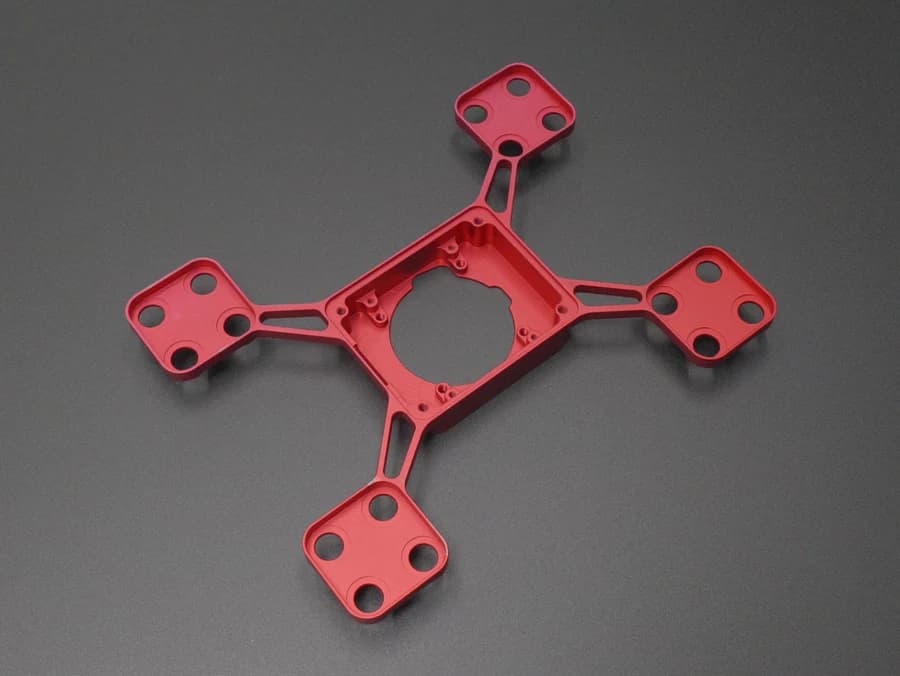
6061 Aluminum · CNC machining · Hard anodizing
Documented challengeControlling stress distortion and vibration across long, lightweight ribs and narrow pockets while coordinating the finishing sequence.
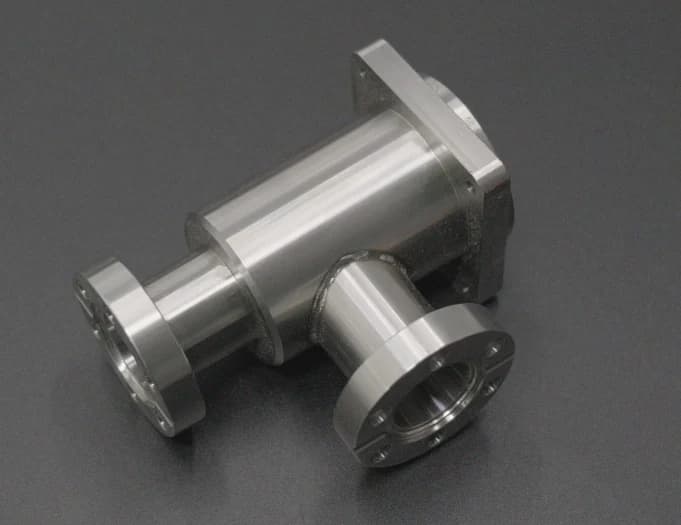
304 Stainless Steel · CNC machining · Welding
Documented challengeRemoving burrs from intersecting internal bores and preparing complex internal surfaces for polishing around functional interfaces.
FINISH-CONTROLLED RFQ
Specify the delivered condition before material and machining allowance are finalized, then agree the inspection scope and evidence.
SURFACE FINISH FAQ
There is no universal best finish. Anodizing is a common starting point when aluminum needs corrosion protection, wear behavior, electrical insulation or controlled appearance, but the decision depends on alloy, temper, service environment, fit, masking, color and acceptance requirements. Some parts should remain as-machined or use another drawing-approved treatment.
The choice depends on corrosion exposure, cleanability, roughness, appearance and the exact grade. As-machined, polishing, passivation and electropolishing are different requirements. A polished appearance does not prove passivation or a measured roughness, so specify the required process and evidence separately.
Neither is universally better. Anodizing is associated mainly with compatible aluminum alloys and converts the surface, while plating deposits a coating system selected for a specific substrate and function. Compare base material, corrosion, wear, conductivity, thickness, masking, dimensions and governing specifications before choosing.
Surface roughness describes the texture of a defined surface and may be specified with a measurable parameter such as Ra. Anodizing, plating, polishing and blasting are processes that change surface behavior or appearance. A finished part may need both a roughness requirement and a treatment specification.
The drawing should state the required condition. Coating growth, material removal, masking and edge behavior can affect fits, threads and sealing features, so the inspection stage must be agreed before machining allowance is finalized.
No. Include the aluminum grade and condition, anodizing type or standard, color expectation, thickness if applicable, masking, contact points, cosmetic zones and whether critical dimensions apply after finishing.
Yes, project-specific finishing can be coordinated with the machining route. The exact process, supplier route, specification, evidence and lead time are confirmed during quotation; this page does not claim that every treatment is performed in-house.
No. Screens, lighting, alloy, surface preparation, production lots and treatment conditions can change appearance. Use an approved physical sample, controlled color range and viewing rule when color is critical.
State the exact process and specification, base material, color or texture, thickness where relevant, masking, cosmetic zones, critical post-finish dimensions, acceptance evidence, quantity and packaging requirements.
Send the 3D model, drawing, material, quantity, finish specification, cosmetic zones, inspection evidence and required date. VOGUC will confirm the project-specific route before quotation.